
Diesel engine companies plunge into an ice cellar, with sales plummeting by 60% in the first half of the year - why is the agricultural machinery industry so eager to promote National IV standards?
Release time:
2022-08-11
According to statistics and analysis from the China Internal Combustion Engine Industry Association, in June 2022, 350,400 diesel engines were sold, an increase of 8.28% month-on-month and a decrease of 30.05% year-on-year. From January to June 2022, a total of 2,289,500 diesel engines were sold, a decrease of 36.48% year-on-year.
According to statistics and analysis from the China Internal Combustion Engine Industry Association, in June 2022, 350,400 diesel engines were sold, an 8.28% month-on-month increase and a 30.05% year-on-year decrease. From January to June 2022, a total of 2,289,500 diesel engines were sold, a year-on-year decrease of 36.48%.
Industry organization statistics are mostly based on company reports, and there may be discrepancies due to different company mindsets. Last Sunday, when Lao Zhu was chatting with several industry friends, he just mentioned that diesel engine sales had dropped by 40% in the first half of the year, but two executives from leading diesel engine companies told him it was 60%. This surprised Lao Zhu.
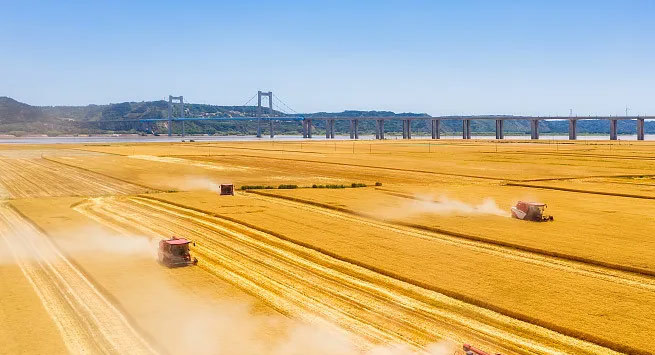
However, the sharp drop in the diesel engine market in the first half of the year was mainly due to the decline in commercial vehicles and construction machinery. Fortunately, the agricultural machinery industry is doing well, with slight market fluctuations but not a large scale, especially for several leading companies whose sales are still booming. However, next year, with the upgrade from National III to National IV emission standards, the market may really cool down.
Many industry insiders estimate that agricultural machinery manufacturers can basically take a holiday in the first half of next year. I really hope this doesn't happen.
Agricultural machinery is only used for a few days a year, and it already meets National III standards, the pollution is not serious, the increased cost makes it unaffordable for farmers, and it is a key support for food security. Why are we so eager to implement National IV standards?!
In my opinion, the upgrade of agricultural machinery to National IV standards can be implemented three to five years later. Everything has its priorities. Young people are unwilling to farm, rural areas are extremely short of labor, and the cost of grain production is so high. We should prioritize ensuring a good harvest and increasing grain production. Environmental protection and pollution control are important, but we need to choose key areas and industries. Reducing emissions in heavily polluting chemical industries would achieve far more than upgrading agricultural machinery to National IV standards.

More news


CONTACT:
E-mail:info@cnplough.com
Address: No. 6, Tiansheng Road, High-tech Development Zone, Yucheng City, Shandong Province
All rights reserved © Shandong Tiansheng Machinery Technology Co., LTD Privacy Policy Legal statement